Tsugaru Minyo [folk song],
Tsugaru Shamisen [Japanese Banjo],
Tsugaru Teodori Hand Dance United on the Stage.
Tsugaru Teodori is a local folk dance cultivated by the people living in the western part of Aomori, Tsugaru. People have enjoyed these local performing arts and developed the techniques extensively. Throughout Japan, there are many types of unique, local folk music. Among them, Tsugaru Minyo, Tsugaru Shamisen, and Tsugaru Teodori Hand Dance are some of the most highly demanding and attractive stage performing folk arts. Tsugaru Teodori is a dance performed to the accompaniment of five major folk songs: “Tsugaru Jonkara-bushi,” “Tsugaru Yosare-bushi,” “Tsugaru Ohara-bushi,” “Tsugaru Aiya-bushi,” and “Tsugaru Sansagari.” The same choreography is danced regardless of gender or age. Tsugaru Jonkara-bushi is danced with nothing in the hands, whereas the other dances are performed with a fan and an umbrella. Other dances include “Ringo-bushi,” “Kuroishi Yosare-bushi,” “Kase no Yukko Odori” dance, and “Tsugaru Jinku” as a Bon Odori (All Soul’s Day) dance.

Hands
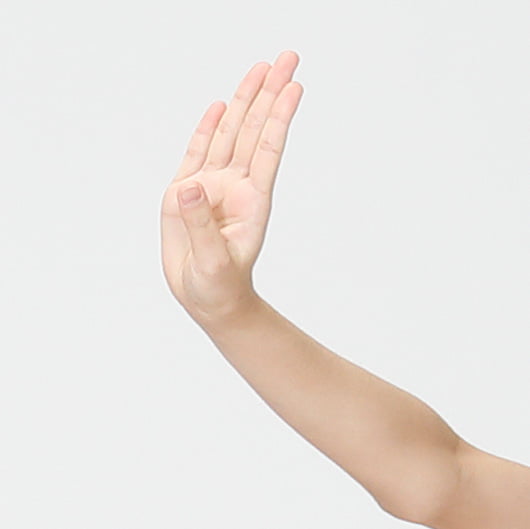
Thumbs are held closed on the palm and the fingers are pressed tightly together. They make quick, smooth motions to represent the movement of tree leaves, butterflies, and fish.
Body
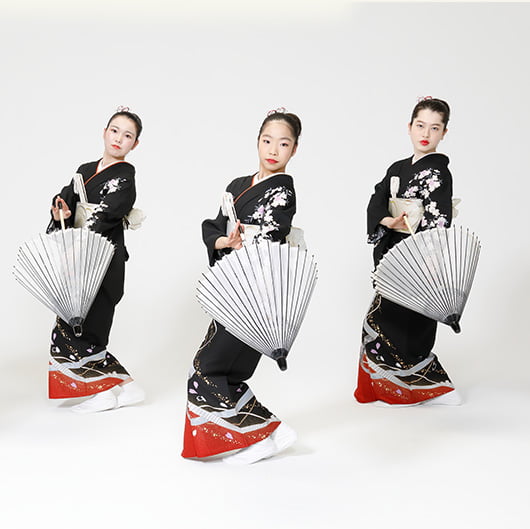
Bend backward and sway while maintaining a supple core like bamboo.
Legs
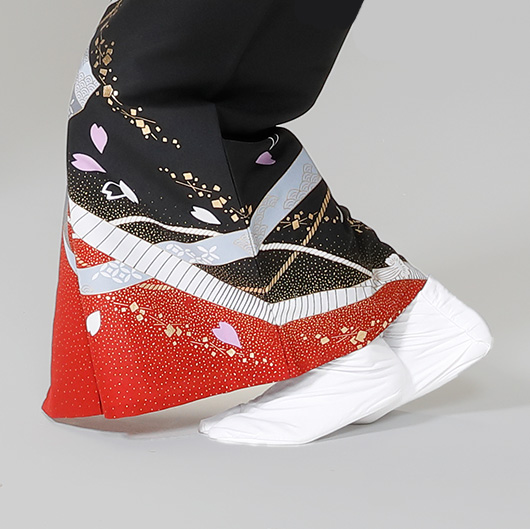
The heels naturally leave the floor as the base of the feet and knees are bent.
When moving, one foot should pass over the big toe of the pivot foot without releasing the knees.
The foot is quickly raised such that the lifted foot is parallel to the floor, and the sole is not shown.
Tsugaru 5 Masterpieces
Tsugaru Jonkara-bushi
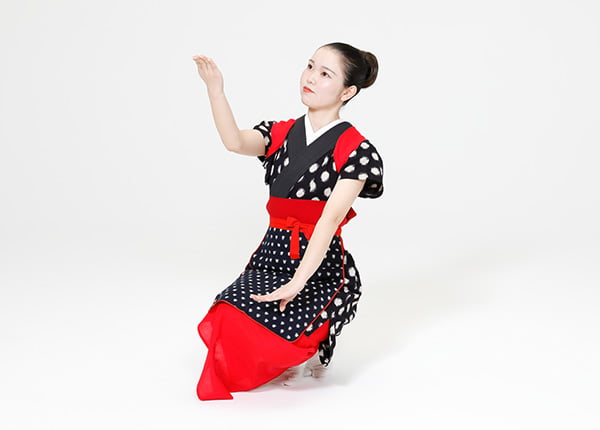
The basic movements of Tsugaru Teodori Hand Dance, including hand, body, and foot movements, are all represented in this dance. You perform this dance without any props in the hands, so it is even more important to show the beauty of the hand movements. Dancers maintain the posture of “chu-goshi,” knees bent, keeping the body low so the heels naturally lift up slightly from the floor. The upper body leans backward in the opposite direction of the hands. Before stepping forward, the foot once attaches to the other which is on the floor at the ankle high, but the sole should not been seen. These are the fundamental elements of Tsugaru Teodori Dance and all are included in this “Jonkara-bushi”. This folk song has four distinct variations: "Kyu-bushi” (the Old version) "Shin-bushi” (the New version), "Naka-fushi” (the Middle version), and "Shinkyu-bushi” (the New/Old version). The “Kyu-bushi” variation is performed in a crisp and clear 2/4, and is characterized by dynamic hand movement and sharpness of the steps.
Tsugaru Yosare-bushi
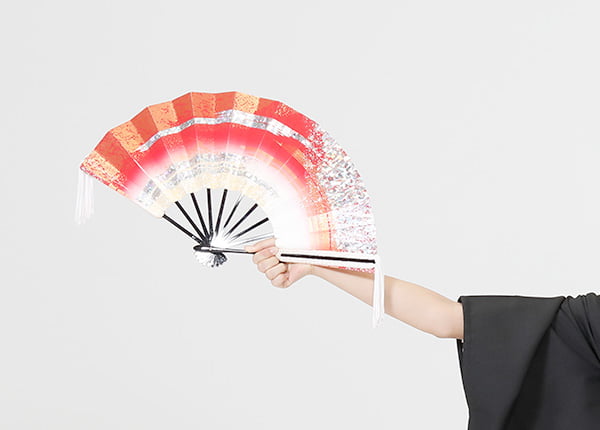
“Tsugaru Yosare-bushi” is danced with a fan in the right hand. Unlike the “Jonkara-bushi” rhythm, this dance is in 3/4 time and is characterized by graceful movement in the first half of each measure, and agile and quick motions in the second half. The upper half of the body expresses graceful folk melody line.
Tsugaru Aiya-bushi
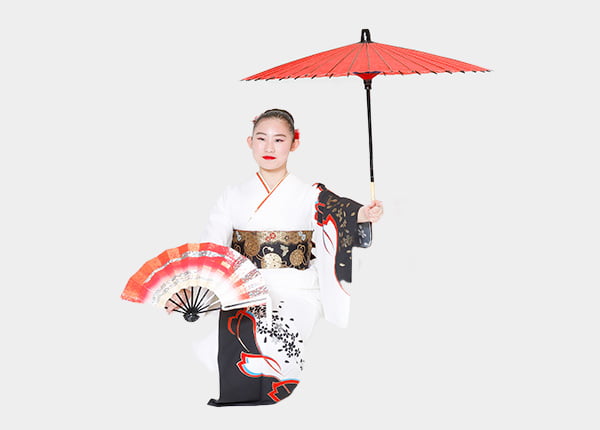
Since the dancers hold a fan in their right hand and an umbrella in their left at the same time when dancing “Tsugaru Aiya-bushi,” it is difficult to master the use of these props. The song is danced in 3/4 time, the same as “Tsugaru Yosare-bushi,” there are some similarities in the way the dancers lift their feet, and the gorgeous movements using an umbrella and a fan are characteristic of this piece. It is often performed as a celebratory song on festive occasions.
Tsugaru Sansagari
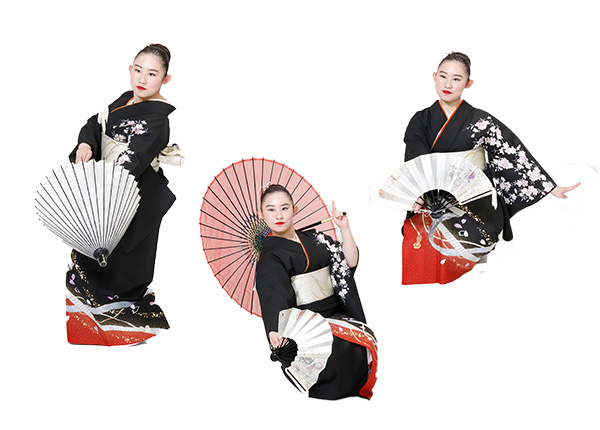
The first half of this dance is performed with an umbrella, while the second half is performed with a fan. The shamisen tuning is unique in the Tesugaru repertoire, and the melody is characterized by a mournful tone. “Tsugaru Sansagari” folk song has few words in their lyrics, but an elongated vibrato is used extensively. Accompanying the singing, the dance expresses the grace of the melody.
Tsugaru Ohara-bushi
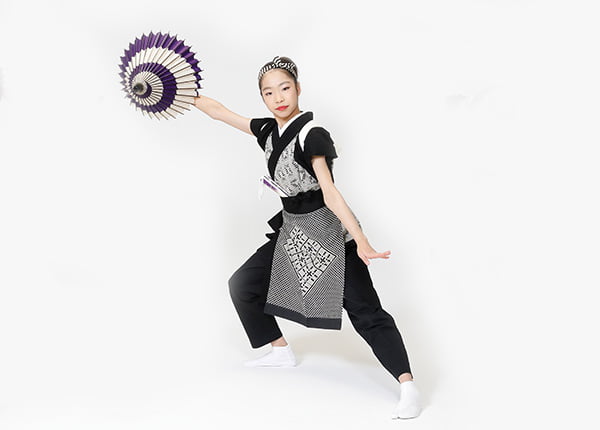
This is the only “male-style” dance done in a masculine costume. Unlike the other dances, this one is danced with the knees apart, with feet splayed out, and with a lower center of gravity. It is also characterized by the use of an umbrella and a fan, and by quick turns rotating on one foot as an axis. The 2/4 time and fast tempo make it a dynamic dance.